
From Chemistry Class To Life-Changing Adventures: How One Teacher Is Transforming Students Through Global Challenges
Blog by Julia Felgate, Chief Marketing Officer, Challenges Abroad
Marcus Rutland, a chemistry teacher at Queen Mary’s College, has led four Challenges Abroad expeditions, taking 68 students to Cambodia, Panama, Nepal, and India. With a fifth trip now in the planning stages, here’s his story of why these trips matter far more than any classroom lesson ever could.
I wanted to experience the education system of a developing country, what it does and doesn’t do for the staff and students enmeshed in its membrane. Not only did this challenge, and it was challenging, give me a glimpse, it also opened the door to Asia for me, expanding my global outlook significantly. A continent that had hitherto appeared to me to be very definition of foreign, to such an extent that its undeniably glorious alure was overwhelmed by its sheer vastness, now doesn’t feel so remote or incomprehensible to an individual of western worldview. Only by going do I now believe that I could return myself again and stay for much longer. Despite the obvious barrier of language, learning to work around this helped stimulate my creativity in situations and conversations I hadn’t considered previously. In other words, learning by doing.
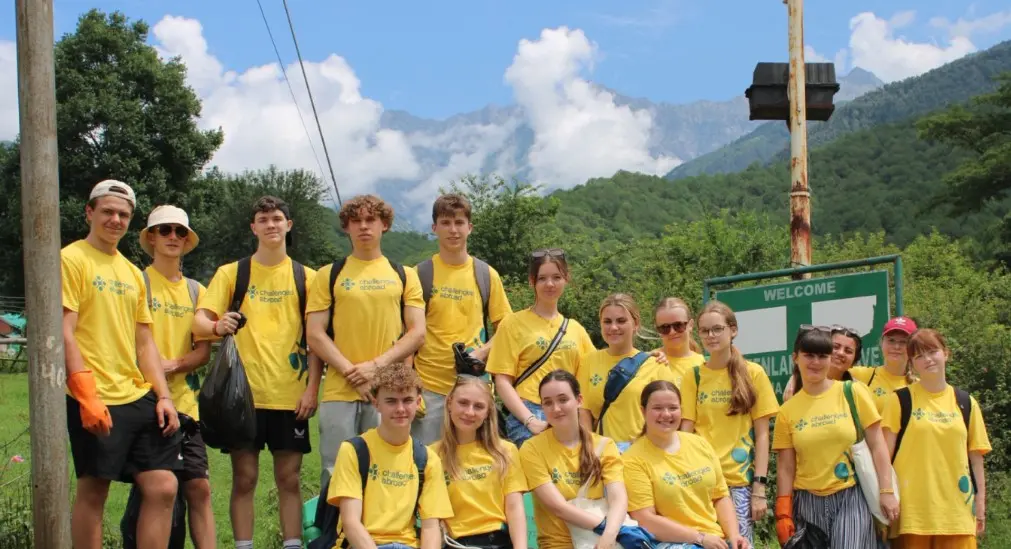

When Marcus first heard about the “crazy idea” to take students to Cambodia during the tail end of Covid restrictions, most people would have thought twice. But for this chemistry teacher who spent three years living in Haiti, has teaching experience in Kenya, and took a gap year at 18 that “completely changed my life and blew my mind,” it wasn’t crazy at all. It was essential.
“I had an enormous sense of its potential,” Marcus explains, “just the huge impact it could have in so many ways.”
That first trip sealed the deal. Watching students who’d spent two years unable to go anywhere, not even “down the road,” experiencing a totally new culture in Cambodia was transformative. These were young people whose “most exciting thing had been to go to a cottage in Wales,” suddenly finding themselves immersed in a completely different world.
Four trips and five years later, Marcus hasn’t just fallen in love with leading these expeditions. He’s developed a philosophy about what makes them work and why they matter more than ever for young people today.
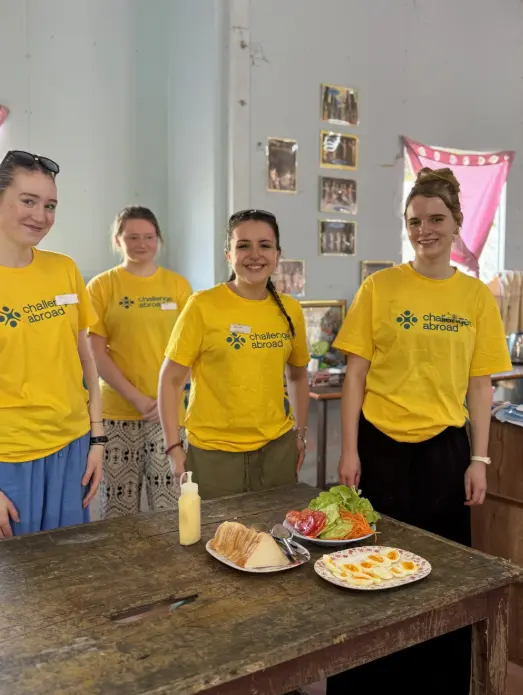
Beyond the bubble: what students really gain
For Marcus, the number one goal isn’t about the impact his students make abroad, though that’s valuable. It’s about what happens to the students themselves.
“The top thing the kids can and should get out of it is to have a hugely expanded sense of what they are capable of,” he says. “Living in a bubble – a fairly protected, managed bubble – where often very little is required of them, very little challenges them in any real, meaningful way… it gives them a very limited sense of themselves.”
He believes this limitation contributes to the mental health challenges so many young people face today. “They get presented with this seemingly impossible world of amazing achievements from social media and at the same time they have so little sense of themselves as being somebody who can operate in the world, because they’ve never had the opportunity to do so.”
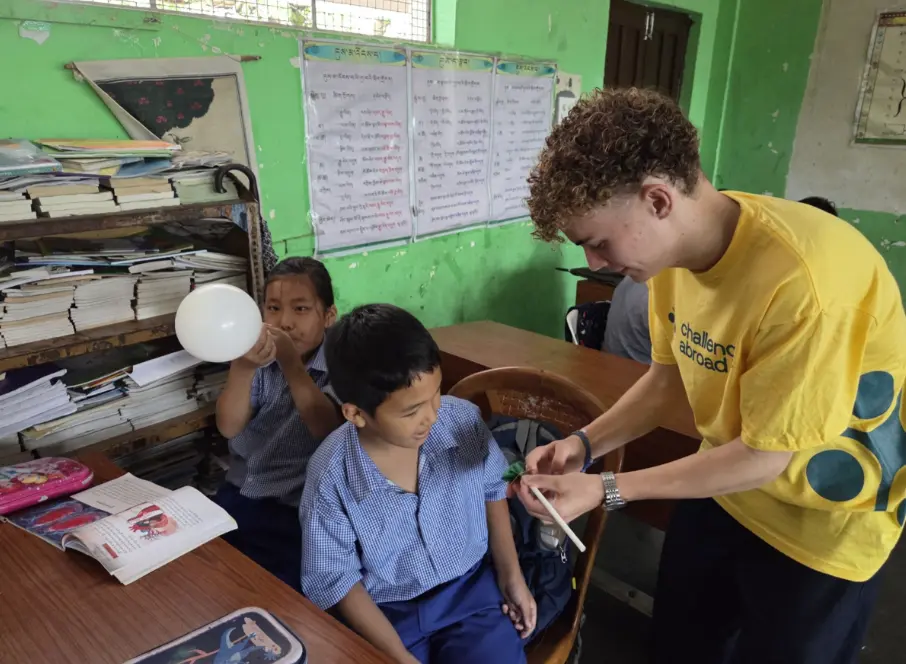
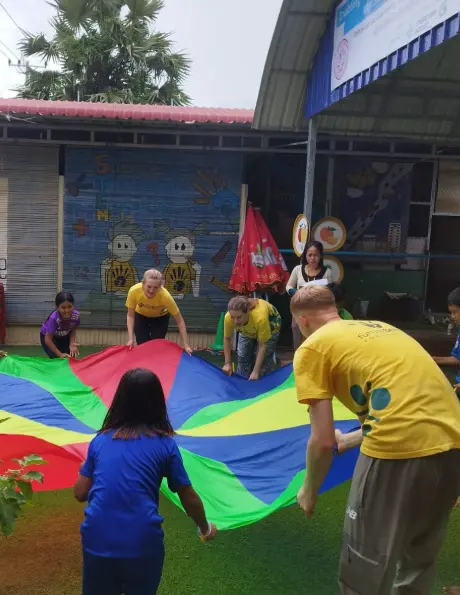
The solution? Drop them into the real world, where they must communicate across cultures, work with strangers, eat unfamiliar food, and discover that – despite enormous differences – they can connect, relate, and succeed.
“They come home going, ‘Wow, there is this amazing planet full of people and things going on beyond anything I can imagine… and yet I have it within myself to go and get involved and to be part of something, and actually to succeed within it.'”
Breaking down walls: the power of teamwork
Marcus’s second priority might surprise some: teamwork. He doesn’t leave this to chance. He addresses it head on from the first meeting.
“I say, look around at each other. You’re going to go away on this trip together and see awesome things and do amazing stuff – but if you do it in competition or even conflict with each other, it won’t add up to much. If you go as a team, taking on challenges together and making each other’s success and wellbeing your priority, you’ll all have 19 other people looking out for you, as opposed to you just looking out for yourself, and it will be an experience that you treasure for the rest of your life.”
The impact is profound. Marcus shares what students tell him afterwards: “I just never realised how closed I was to other people and how much I saw the rest of the world as a threat and then treated it like a threat. This trip has given me the experience of working with people who, under normal circumstances, I might never have talked to, and quite possibly would not have been very nice to, and instead getting to know them, being open to them, and finding that we connect despite any differences.
He’s candid about the social pressures students face in typical school environments, where many feel they need to stick with familiar groups and keep their guards up. Students often gravitate towards a small circle of similar people, sometimes creating distance from those who seem different.
These trips shatter those barriers. Students discover that “everybody is amazing in their own way – they might be totally different to me and do things that I could easily dismiss as strange or pointless, but when you get to know them, you realise that they are great in their own way and those differences stop looking important.”
The real world versus the virtual world
What Marcus has discovered resonates deeply with today’s challenges. The trips promote “an optimism in them that the students often didn’t have before… not because we’ve shown them that life can be so much shinier than anything they’ve seen but, in a bizarre way, that we’ve shown them that the glamorous things they’ve seen online aren’t actually what matters.”
Instead, students discover something more valuable: “The simple things of people living and working together, being part of a community that supports each other, eating and sharing life together – those things are amazing and accessible and real and out there, and they can be a part of that. It’s gold dust for them.”
Why it works: the partnership difference
Marcus and his college have stayed loyal to Challenges Abroad through many trips for several reasons. The Turing Scheme support makes trips “accessibly affordable and amazing value for money.” The partnership with FutureSense Foundation means working with “people who are actually making a difference in the local community even when a team isn’t there – a world away from what he calls “pay thousands of pounds to feed a banana to an orangutan” voluntourism.
But he’s also clear about one crucial factor: “Lizzie is amazing. Lizzie is a fixer, an enthusiast, a bundle of warmth and energy. Lizzie is pure gold.” That personal relationship, with Challenges Abroad Head of Further Education, he explains, creates a sense that “she knows us and cares about us personally as a college.”
The long game
The impacts last far beyond the trip. Some students have gone on to overseas work directly because of their experience. Others stay in touch and talk about their trip as one of their happiest memories and a real turning point in their lives.
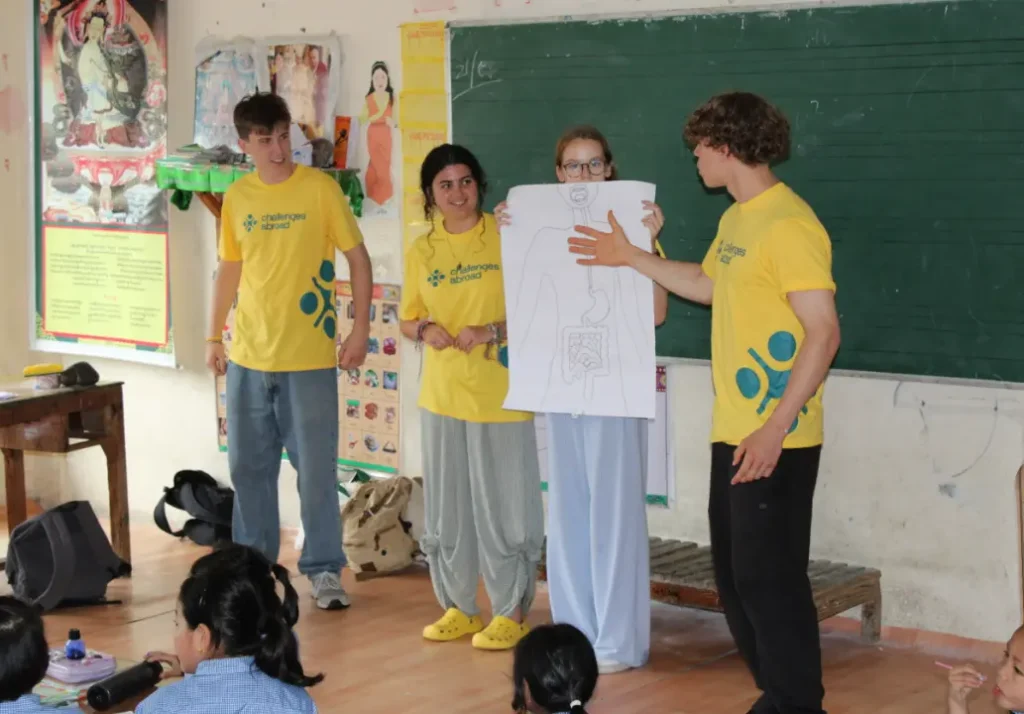
One particular skill that transforms students on the trips? Public speaking. Running workshops in local schools forces them to overcome “such a weak spot for most students, and something they’re often terrified of.” Marcus has had students come back and say, “That’s just completely changed my view of what I can do, because now I’m not scared of that anymore.”
A teacher’s reflection
After 68 students and four countries, Marcus has developed what he calls “a very good understanding now of how to bring a group of students together as a team and prepare them” for an “unrivalled experience.”
His advice for other schools? Invest heavily in pre-trip preparation to build a team culture and create realistic positive expectations for the trip, maintain weekly parent communication, and most importantly recognise that, “the leaders are not just accompanying them on the trip, but they’re absolutely participating as part of the team the whole time, promoting the openness, kindness, and energy that creates a really powerful experience.”
The combination of robust preparation, the right partnerships, and genuine commitment creates something special: young people who return home not just with stamps in their passports, but with an expanded sense of who they are and what they’re capable of in this “amazing planet with all of its opportunities.”
As Marcus puts it simply: “It’s gold dust.”
Interested in creating similar transformative experiences for your students?
Contact us to learn more about our programmes.